

Device Introduction

Page Guide
Case Studies
Real-world application cases of FastBee-Arduino on different chips and hardware platforms.
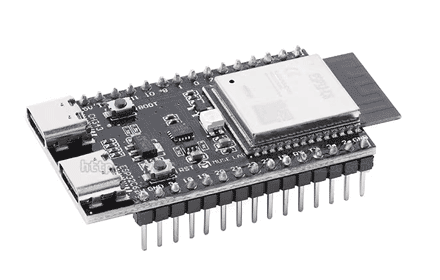 ESP32-C6 DevKit Blink Quick StartComplete firmware flashing and an LED blink test on an ESP32-C6 DevKit within 5 minutes — a zero-code quick start.
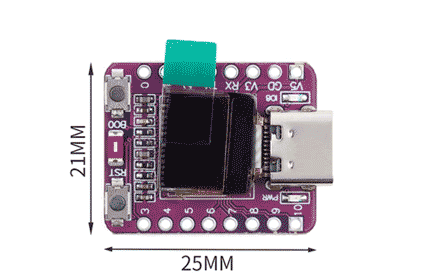 ESP32-C3 Temperature & Humidity MonitoringCollect temperature and humidity via a DHT11 sensor, show live readings on the OLED screen, and trigger alarm rules automatically.
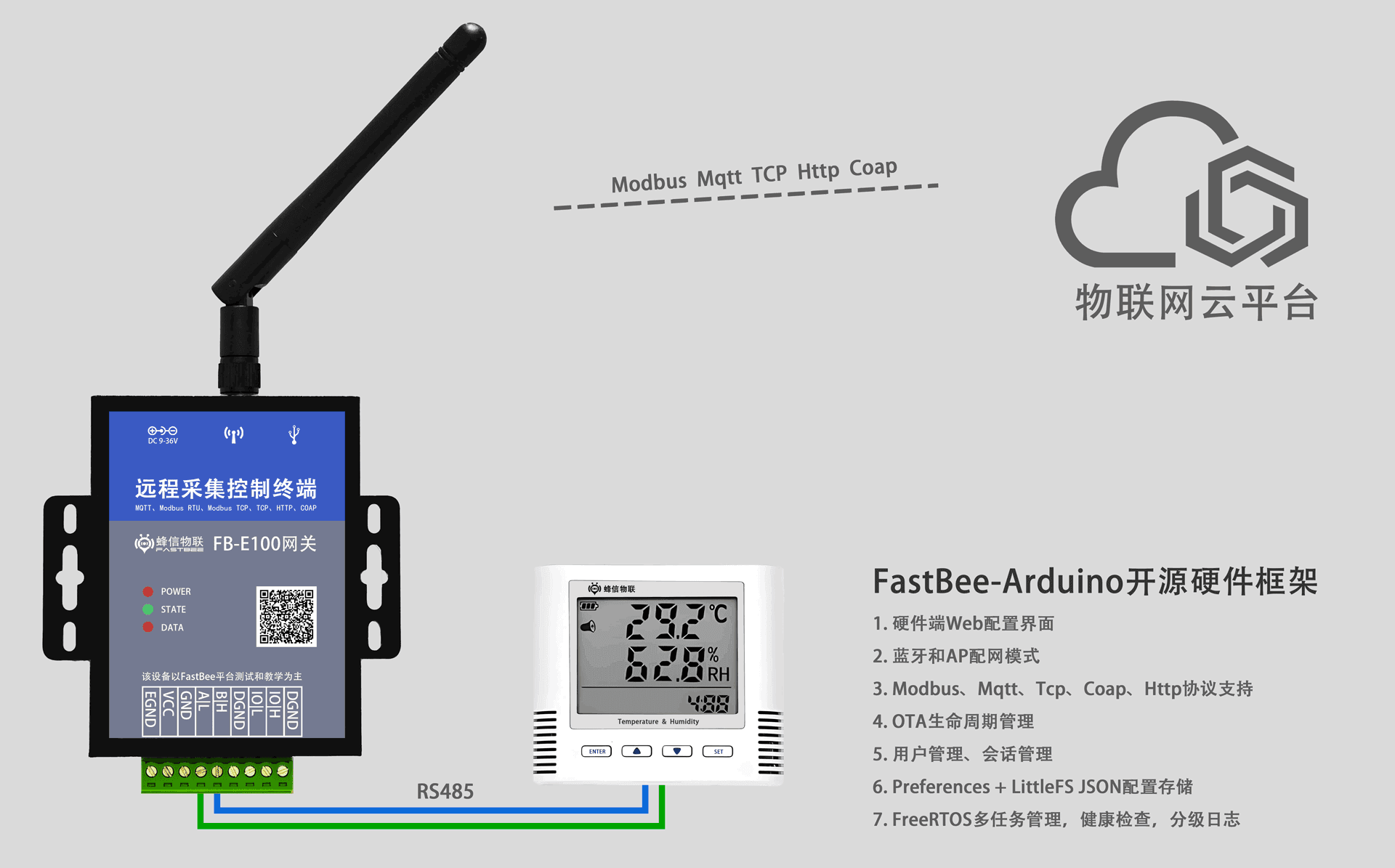 ESP32 Modbus Monitoring and ControlAn ESP32 IoT terminal collects Modbus RTU slave data over RS485 for industrial sensor monitoring and remote control.
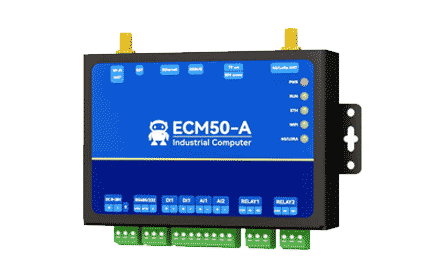 ECM50-A 4G / Ethernet / WiFi NetworkingThe ESP32-S3 based ECM50-A industrial device switches automatically between 4G cellular, W5500 Ethernet, and WiFi.
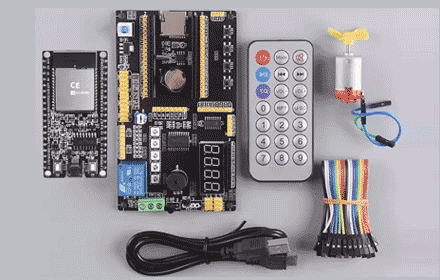 ESP32 Puzhong DevKit Feature TestingComprehensive GPIO, ADC, PWM, I2C, SPI, UART, and display testing on the Puzhong ESP32 DevKit.
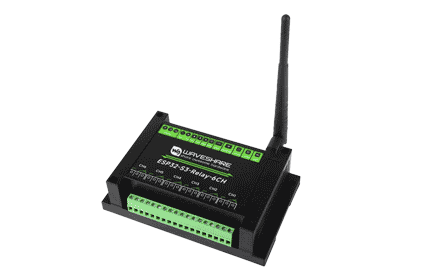 ESP32-S3 WaveShare Industrial RelayWaveShare ESP32-S3 DevKit adaptation covering WiFi, sensor acquisition, display driving, and MQTT reporting scenarios.
More cases in the Examples directory.
FastBee-Arduino Documentation
This directory is the device-side documentation entry for FastBee-Arduino. Documentation is organized as "Getting Started, Deployment & Verification, Feature Configuration, Development & Maintenance". Hardware selection and release stability content is consolidated into a few core documents to avoid duplicate environment tables.
The release firmware exposes MQTT/MQTTS and Modbus RTU master as device communication protocols. The management Web server, HTTP NTP, and HTTP OTA do not provide a generic HTTP telemetry protocol; raw TCP, Modbus TCP, CoAP, and a generic outbound HTTP client are outside the release scope.
Source Repository: https://gitee.com/beecue/fastbee-arduino
Recommended Reading Path
| Goal | Document |
|---|---|
| Understand project capabilities and module boundaries | Project Overview |
| Flash firmware directly from browser | Online Flashing Tool |
| First-time device flashing and configuration | Quick Start |
| Choose firmware for the actual chip, Flash and PSRAM | Hardware and Environments |
| Flashing, deployment, packaging and testing workflow | Deploy, Flash & Test |
| Verify cross-chip builds, device interfaces and long-term stability | Deploy, Flash & Test |
| Actual wiring, Web configuration and troubleshooting | User Operation Manual |
| Understand directories, build scripts and artifacts | Project Directory & Files |
| Architecture and secondary development | Architecture Design, Core Framework, Development Guide, Code Change Guidelines |
| Configure PlatformIO build environment and feature flags | Build Configuration, Resource Usage & Feature Trimming |
| TCP concurrent connection limits and optimization | TCP Connection Budget |
Environments & Releases
- The current release matrix contains nine environments:
esp32-F4R0,esp32-F8R0,esp32-F8R8,esp32c3-F4R0,esp32c6-F4R0,esp32c6-F8R0,esp32s3-F8R0,esp32s3-F8R8, andesp32s3-F16R8. They share a common feature baseline, while hardware-dependent features may be excluded by a specific environment and runtime activation remains subject to the memory budget. - Hardware boundaries, runtime feature state, resource limits and selection advice: Hardware and Environments.
- Pre-release build, smoke, long-term stability and artifact checks: Stability & Release Checklist.
Feature Configuration
| Category | Documents |
|---|---|
| Peripheral Config | Peripheral Reference, Supported List, Peripheral Config Guide |
| Peripheral Execution | Execution Config, Execution Guide, Execution Flow |
| Communication Protocols | Protocol Docs, MQTT Config, Modbus Usage Guide |
| System Management | System Docs Index, Device Config, Dashboard, TCP Connection Budget |
| Development & Build | Build Config, Deploy, Flash & Test, Resource Usage & Trimming, Code Change Guidelines, Commercial License |
| Examples | Examples Index |
Testing & Verification
Device-side provides static checks, native tests, build validation, smoke tests and long-term stability tests. Commands and coverage are in Deploy, Flash & Test and Stability & Release Checklist; change requirements are in Code Change Guidelines.