

Project Overview
FastBee-Arduino is an open-source IoT firmware framework for the ESP32 chip series. Through zero-code visual configuration, ESP32 can be assembled like building blocks into a fully capable IoT device in seconds.
Source Repository: https://gitee.com/beecue/fastbee-arduino
Page Guide
Case Studies
Below are real-world application cases of FastBee-Arduino on different chips and hardware platforms.
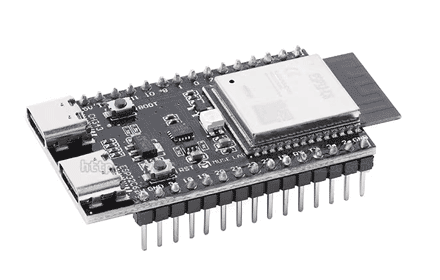 ESP32-C6 DevKit Blink Quick StartUsing ESP32-C6 DevKit, complete firmware flashing and LED blink test within 5 minutes, experience the zero-code quick start workflow.
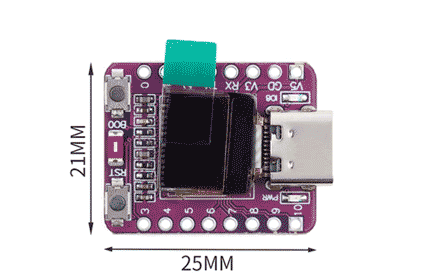 ESP32-C3 DevKit Temperature & Humidity MonitoringCollect environmental temperature and humidity via DHT11 sensor, display on OLED in real-time, auto-trigger alarm rules when thresholds exceeded.
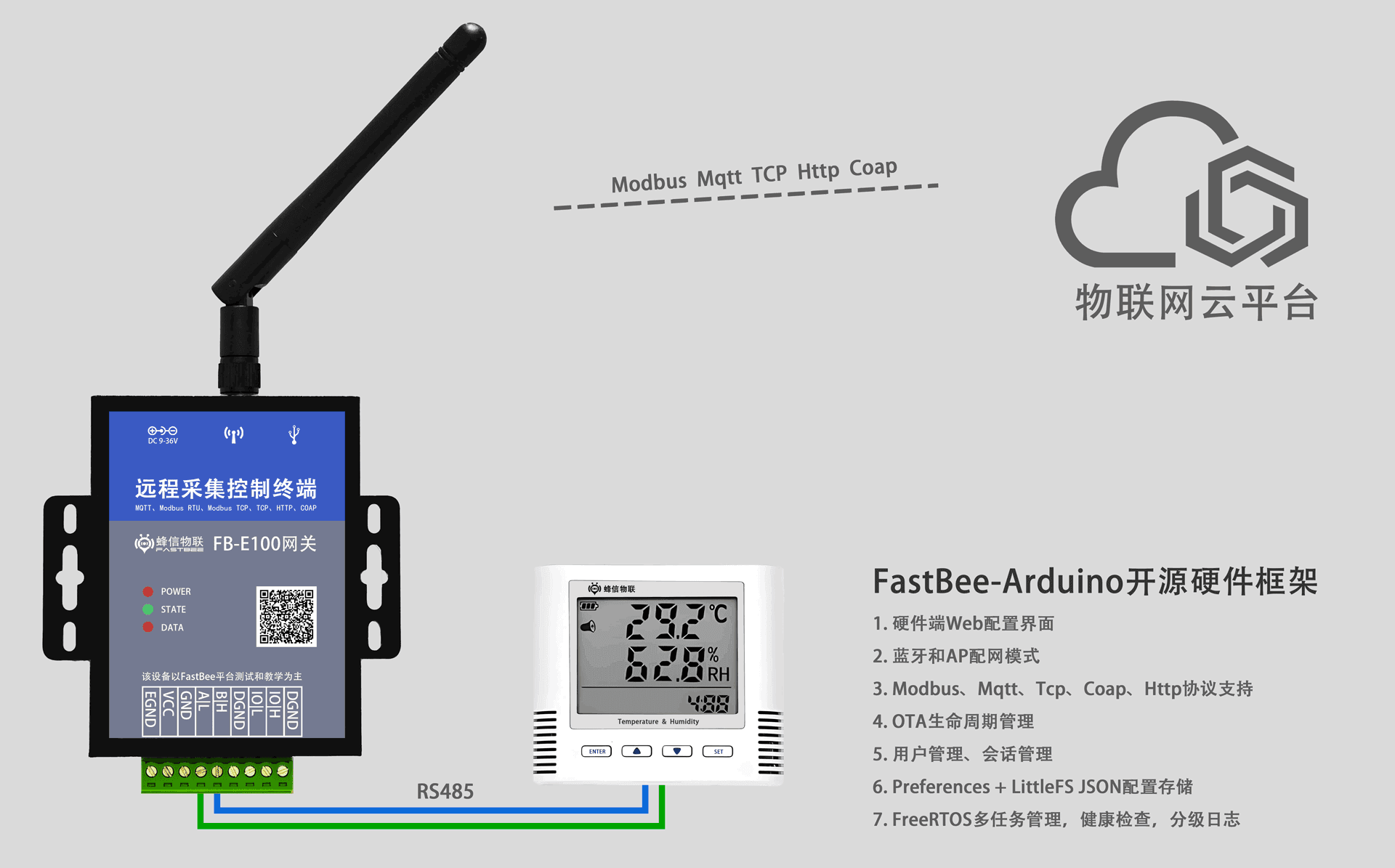 ESP32 Device Modbus Monitoring and ControlESP32 IoT terminal collects Modbus RTU slave data via RS485 interface for industrial sensor monitoring and remote control.
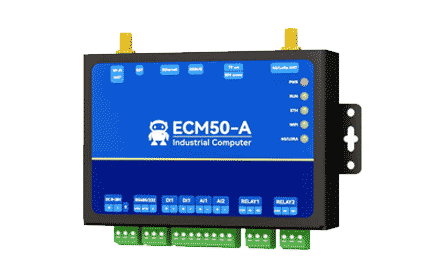 ECM50-A Device 4G / Ethernet / WiFi NetworkingESP32-S3 based ECM50-A industrial device supporting automatic switching between 4G cellular, Ethernet W5500 and WiFi networking modes.
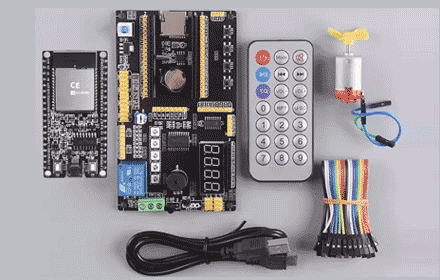 ESP32 Puzhong DevKit Feature TestingComprehensive testing of GPIO, ADC, PWM, I2C, SPI, UART, display and other peripheral features on the Puzhong ESP32 DevKit.
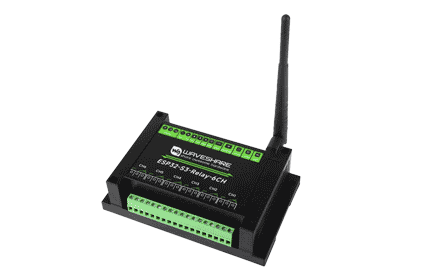 ESP32-S3 WaveShare DeviceWaveShare ESP32-S3 DevKit adaptation and verification, covering WiFi, sensor acquisition, display driver and MQTT reporting scenarios.
More cases in the Examples directory.
Project Background
With the rapid development of IoT technology, demand for edge computing devices has surged. However, traditional embedded development faces two major challenges:
- High development barrier: Requires expertise in C/C++ programming, hardware drivers, network protocols, etc.
- Low deployment efficiency: Every function change requires recompilation and reflashing, high on-site maintenance cost
Although ESP32 chips are powerful, they have limited resources (520KB SRAM, 4MB Flash). Traditional IoT frameworks often consume too many resources, leading to system instability.
FastBee-Arduino was created with the zero-code, visual configuration philosophy. All configuration is done through the built-in Web management interface, truly achieving "flash and go".
Project Goals
- Zero-code development: No coding required, complete peripheral configuration, protocol integration and rule orchestration through the browser
- Resource optimization: A common feature baseline with chip-specific overrides and runtime memory protection
- Rapid deployment: From flashing to cloud connection in just 5 steps, suitable from prototype verification to batch deployment
- Open ecosystem: AGPL-3.0 open-source license, supports custom peripheral drivers and protocol extensions, source at gitee.com/beecue/fastbee-arduino
Core Features
Browser as Console
- Device monitoring, peripheral configuration, protocol integration and rule orchestration all done in the local Web interface
- Responsive design, supports PC/tablet/mobile access
- Auto-enters AP provisioning mode on first boot, no extra tools needed
Multiple Networking Options
- WiFi: AP/STA dual mode and mDNS access in every release environment
- Ethernet: Optional W5500 SPI adapter in environments that compile the feature
- 4G Cellular: Optional EC801E-CN adapter in environments that compile the feature
Protocol & Peripheral Integration
- Communication Protocols: MQTT/MQTTS and Modbus RTU master, subject to compile support, the feature switch and the memory budget
- Peripheral Support: GPIO, sensors, displays, digital tubes, RS485/UART and 25+ types
- Rule Engine: 4 trigger types, 27 action types, supports timer/event/platform/poll triggers
Field-Oriented Stability
- AP/STA network access auto-switching, reconnection on disconnect
- Memory gating (MEMGUARD) mechanism, low-memory degradation protection
- On-demand loading, lightweight first screen, reduces browser concurrent pressure
- Worker pool pre-creation, avoids runtime dynamic allocation
Runtime Feature State
A feature is usable only when it is compiled into the selected environment, enabled in the Web Feature Config page, and accepted by the startup memory budget. Check /api/features/status instead of assuming that similar boards expose identical capabilities.
Tech Stack
| Layer | Technology | Notes |
|---|---|---|
| Hardware | ESP32/ESP32-C3/ESP32-S3 | Dual-core 240MHz, WiFi/BT/BLE |
| Framework | Arduino + PlatformIO | Rapid development, multi-environment builds |
| Communication | WiFi/MQTT/Modbus RTU/Ethernet/4G | Enabled by environment and runtime feature state |
| Web Server | ESPAsyncWebServer | Async HTTP server |
| Frontend | Vanilla JavaScript | No framework dependency, lightweight |
| File System | LittleFS | Embedded Flash file system |
| Build Tools | Node.js + PlatformIO | Web asset compression, firmware compilation |
Hardware Environments
The release matrix contains nine environments covering ESP32, ESP32-C3, ESP32-C6 and ESP32-S3 with 4MB, 8MB or 16MB Flash and optional 8MB PSRAM. Select by actual hardware specification, then verify the runtime state in Feature Config. See Hardware and Environments.
Application Scenarios
FastBee-Arduino is suitable for various IoT scenarios. The case study cards above showcase typical hardware platforms and applications. Main scenario categories:
- Smart Home: Temperature/humidity monitoring, light control, door/window alarm
- Industrial Data Collection: Modbus RTU acquisition, current/voltage monitoring, multi-device polling and reporting
- Agricultural IoT: Soil/environmental sensing, automatic irrigation control
- Educational Labs: 54 examples covering common sensors, zero-code configuration focuses on learning principles
- Field Terminal Deployment: Flash and go, Web remote configuration, config import/export for batch deployment
Related Documentation
- Online Flashing Tool - Flash firmware directly from browser
- Quick Start - Complete first configuration in 5 steps
- Examples - 54 sensor and module configuration examples
- User Manual - Complete operation manual
- Architecture Design - System architecture and module relationships
- Core Framework - Main components and key classes
- Development - Environment setup and contribution guidelines
- Source Repository - Gitee source code